Mastering Siding Panel Installation: A Comprehensive Guide
Delving into the realm of siding panel installation unveils a world of precision and artistry. From the initial preparations to the finishing touches, this guide will equip you with the knowledge needed for a seamless installation process.
Introduction to Siding Panel Installation

When it comes to enhancing the exterior of a building, siding panels play a crucial role in providing both protection and aesthetic appeal. Proper installation of siding panels is essential to ensure durability, energy efficiency, and overall visual appeal of the structure.
Types of Siding Panels
- Vinyl Siding: A popular choice due to its low maintenance, affordability, and wide range of colors and styles.
- Fiber Cement Siding: Known for its durability, fire resistance, and ability to mimic the look of wood or stucco.
- Wood Siding: Offers a natural and classic look, but requires more maintenance compared to other options.
- Metal Siding: Provides a modern and sleek appearance, with options like steel, aluminum, and copper available.
- Composite Siding: Made from a combination of materials, offering a balance of durability and aesthetics.
Preparation for Installation

When getting ready to install siding panels, there are several important steps to take to ensure a successful and long-lasting outcome. This includes gathering the necessary tools and materials, measuring and cutting the siding panels accurately, and properly preparing the surface before installation.
Tools and Materials Needed
- Vinyl siding panels
- Tape measure
- Pencil
- Straight edge
- Tin snips or utility knife
- Level
- Nails or screws
- Hammer or screwdriver
- J-channel
- House wrap or insulation
Measuring and Cutting Siding Panels
Accurate measurements are crucial when installing siding panels to ensure a proper fit and finish. Use a tape measure to measure the length and width of the area where the panels will be installed. Mark the measurements on the panels using a pencil and a straight edge.
When cutting the panels, make sure to use tin snips or a utility knife to achieve clean and precise cuts.
Preparing the Surface
Before installing siding panels, it is essential to prepare the surface properly. Clean the area thoroughly to remove dirt, debris, and any existing siding. Repair any damaged areas and ensure the surface is smooth and level. Consider adding house wrap or insulation to improve energy efficiency and protect against moisture.
Installation Process

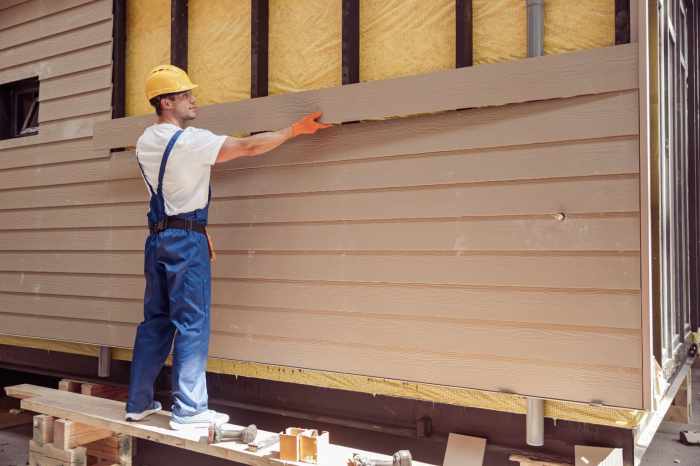
When it comes to installing siding panels, following a step-by-step process is crucial to ensure a successful outcome. Properly securing the siding panels to the structure is key to their longevity and durability. Let's dive into the specifics of how to effectively install siding panels and overcome common challenges that may arise.
Securing Siding Panels
- Start by measuring and cutting the siding panels to fit the dimensions of the structure accurately.
- Use appropriate fasteners such as nails, screws, or clips to secure the siding panels to the structure.
- Ensure that the panels are properly aligned and leveled to maintain a uniform appearance.
- Follow manufacturer guidelines for spacing and fastening to prevent warping or buckling over time.
- Consider using a level to ensure the siding panels are installed straight and even.
Common Installation Challenges and Solutions
- Uneven surfaces: If the structure has uneven surfaces, consider using furring strips to create a level base for the siding panels.
- Moisture issues: Properly seal joints and edges to prevent water infiltration behind the siding panels, which can lead to mold and rot.
- Incorrect installation: Follow manufacturer instructions carefully to avoid common mistakes that can affect the performance and longevity of the siding panels.
- Weather conditions: Install siding panels during dry weather to prevent issues with expansion or contraction that may occur in extreme temperatures.
- Trimming and detailing: Pay attention to the finishing touches, such as corner pieces and trim, to ensure a polished and professional look.
Finishing Touches and Maintenance

After completing the installation of siding panels, it is crucial to focus on finishing touches and regular maintenance to ensure the longevity of your siding. Proper finishing and maintenance can enhance the appearance of your home and protect the siding from damage.
Importance of Caulking and Painting
One of the key finishing touches for siding panel installation is caulking and painting. Caulking helps seal gaps between the siding panels and prevents water infiltration, which can lead to mold and rot. Painting not only enhances the aesthetic appeal of your home but also provides an additional layer of protection against the elements.
Maintaining Siding Panels for Longevity
- Regularly clean the siding panels with a mild detergent and water to remove dirt and debris.
- Inspect the panels for any signs of damage, such as cracks or loose pieces, and address them promptly.
- Trim any overhanging tree branches to prevent damage from falling limbs.
- Consider applying a protective coating or sealant to the siding to enhance durability.
Addressing Repairs or Replacements
- If you notice any significant damage to the siding panels, such as large cracks or extensive rot, it may be necessary to replace the affected sections.
- For minor repairs, such as small cracks or chipped paint, you can use a patching compound or touch-up paint to fix the issues.
- Consult a professional if you are unsure about how to properly repair or replace damaged siding panels.
Closing Notes
In conclusion, siding panel installation requires attention to detail and proper maintenance to ensure longevity and appeal. By following the steps Artikeld in this guide, you can achieve a professional finish that enhances the aesthetics and durability of your property.
Essential FAQs
What tools are needed for siding panel installation?
Common tools include a hammer, nails, a level, a saw, and a tape measure.
How do you secure siding panels effectively?
Use galvanized nails or screws to securely attach the panels to the structure.
What are some tips for maintaining siding panels?
Regularly clean the panels, inspect for damage, and repaint or caulk as needed to maintain their condition.
How can you address repairs or replacements for siding panels?
Contact a professional if extensive repairs or replacements are required to ensure proper installation and longevity of the panels.