Wood Siding Installation: A Comprehensive Guide to Enhancing Your Home
With wood siding installation at the forefront, this paragraph opens a window to an amazing start and intrigue, inviting readers to embark on a storytelling casual formal language style filled with unexpected twists and insights.
Wood siding installation offers a transformative way to upgrade your home's exterior, providing not just practical benefits but also a touch of timeless charm. From the various types available to the essential steps for preparation and maintenance tips, this guide dives deep into the world of wood siding installation.
Importance of Wood Siding Installation
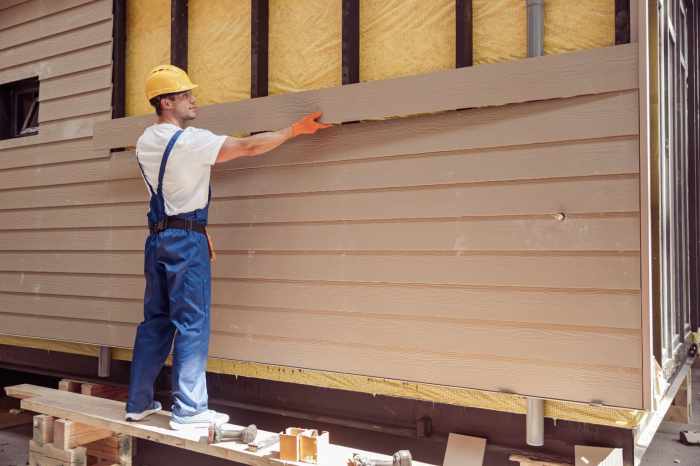
Wood siding installation is a popular choice for homeowners due to its numerous benefits and aesthetic appeal.
Benefits of Opting for Wood Siding
- Wood siding is a natural insulator, helping to regulate indoor temperatures and reduce energy costs.
- It is durable and long-lasting when properly maintained, providing a good return on investment.
- Wood siding is versatile and can be painted or stained in various colors to suit different architectural styles.
- It can increase the value of a property and enhance its curb appeal.
Aesthetic Appeal of Wood Siding
Wood siding adds a warm, natural look to a property, creating a cozy and inviting atmosphere. The texture and grain of wood can give a unique character to a home, making it stand out in the neighborhood. Additionally, wood siding can be customized to achieve a rustic, modern, or traditional appearance, allowing homeowners to express their personal style through their choice of siding material.
Types of Wood Siding

Wood siding comes in various types, each offering unique characteristics and benefits for your home exterior. Let's explore the different options available for wood siding installation:
1. Cedar Siding
Cedar siding is a popular choice known for its natural beauty, durability, and resistance to decay and insects. It offers a warm, rustic look and can be stained or painted to suit your preferences. While cedar siding requires regular maintenance to preserve its appearance, it is relatively easy to repair and can last for decades with proper care.
2. Pine Siding
Pine siding is a more affordable option compared to cedar, making it a budget-friendly choice for homeowners. It has a light color and can be easily painted or stained. However, pine siding is more susceptible to rot and insect damage, requiring regular maintenance and treatments to prolong its lifespan.
3. Redwood Siding
Redwood siding is a premium choice known for its rich color, natural durability, and resistance to decay. It is a low-maintenance option that can withstand harsh weather conditions and insect attacks. While redwood siding is more expensive upfront, its longevity and minimal maintenance requirements make it a worthwhile investment for homeowners looking for a high-quality wood siding option.
4. Cypress Siding
Cypress siding is another durable wood siding option that offers natural resistance to decay, rot, and insects. It has a unique grain pattern and can be left unfinished for a natural weathered look. Cypress siding requires minimal maintenance and can last for many years, making it a great choice for homeowners seeking a low-maintenance wood siding option.Overall, the choice of wood siding will depend on your budget, desired aesthetic, and maintenance preferences.
Consider the characteristics and maintenance requirements of each wood siding type to determine the best option for your home exterior.
Preparation Before Installation

Before beginning the installation of wood siding, it is crucial to properly prepare the exterior surface to ensure a successful and long-lasting finish. This involves a series of steps and the use of specific tools and materials.
Necessary Steps for Preparation
- Clean the exterior surface thoroughly to remove any dirt, dust, or debris that could affect the adhesion of the siding.
- Repair any damaged areas, including fixing loose boards, filling in cracks, and addressing any rot or mold issues.
- Apply a primer or sealer to the surface to create a smooth and uniform base for the siding to adhere to.
- Install proper insulation and moisture barriers to protect the underlying structure from water damage and improve energy efficiency.
Tools and Materials Required
- Hammer and nails or nail gun for fastening the siding in place.
- Tape measure and level to ensure accurate and straight installation.
- Circular saw or miter saw for cutting the siding to the correct lengths.
- Caulk and caulking gun for sealing gaps and joints between the siding pieces.
- Protective gear such as gloves, safety glasses, and a dust mask for personal safety.
Importance of Insulation and Moisture Barriers
Proper insulation and moisture barriers are essential before installing wood siding to prevent moisture infiltration, which can lead to rot, mold, and decay of the underlying structure. Insulation also helps improve energy efficiency by reducing heat loss through the walls.
By taking the time to install these barriers correctly, you can ensure the longevity and durability of your wood siding installation.
Wood Siding Installation Process

Installing wood siding requires attention to detail and proper technique to ensure a professional finish that enhances the overall look of your home. Below is a step-by-step guide on how to install wood siding effectively.
Cutting and Fitting Wood Siding Panels
Before you begin installing wood siding panels, it is crucial to measure and cut them to fit the specific dimensions of your exterior walls. Here are some techniques for cutting and fitting wood siding panels:
- Measure twice, cut once: Double-check your measurements before making any cuts to avoid wastage of materials.
- Use a circular saw or miter saw: These tools provide clean and precise cuts for a seamless fit.
- Invest in a siding gauge: This tool helps you achieve consistent and accurate cuts for a professional-looking installation.
- Dry fit before nailing: Place the panels in position without fastening them to ensure they fit properly before securing them in place.
Ensuring a Seamless and Professional-looking Installation
To achieve a seamless and professional-looking wood siding installation, consider the following tips:
- Start from the bottom: Begin installing the siding from the bottom of the wall and work your way up to ensure proper water drainage.
- Overlap properly: Make sure each panel overlaps the one below it correctly to prevent water infiltration and create a cohesive look.
- Use stainless steel nails: Opt for stainless steel nails to prevent rust stains on your wood siding over time.
- Maintain consistent spacing: Maintain a consistent gap between each panel for expansion and contraction of the wood.
- Apply a protective finish: Consider applying a protective finish to your wood siding to enhance its durability and longevity.
Maintenance and Care Tips

After the installation of wood siding, proper maintenance and care are essential to ensure its longevity and keep it looking great. Below are some tips to help you maintain and care for your wood siding:
Regular Inspections and Repairs
Regularly inspect your wood siding for any signs of damage, such as cracks, rot, or peeling paint. Addressing these issues promptly can help prevent further damage and prolong the lifespan of your siding.
Protecting from Rot, Pests, and Weather Damage
- Apply a quality sealant or stain to protect the wood from moisture and UV rays.
- Keep vegetation trimmed and away from the siding to prevent mold and pests from causing damage.
- Regularly clean your siding with a gentle soap and water solution to remove dirt and debris.
- Inspect and repair caulking around windows and doors to prevent water infiltration.
- Consider installing gutters and downspouts to direct water away from the siding.
Last Word

As we conclude this journey through wood siding installation, it's evident that this versatile choice can truly elevate the look and feel of any property. By understanding the importance of proper preparation, the installation process, and ongoing maintenance, homeowners can ensure their wood siding remains a beautiful and durable investment for years to come.
Helpful Answers
What makes wood siding installation a popular choice for homeowners?
Wood siding offers a natural and timeless aesthetic, durability, and the ability to be customized to fit different styles.
How do I prepare my exterior surface for wood siding installation?
Prepare by cleaning the surface, repairing any damage, applying insulation, and installing moisture barriers to protect against weather elements.
What are some common maintenance tips for wood siding?
Regularly inspect for damage, clean as needed, and protect against rot, pests, and weather damage to prolong the lifespan of wood siding.